
Ubuntu tech blog
- Press center
- Canonical blog
- Ubuntu Discourse
- Events

Lifecycle management entails fulfilling changing requirements over time. However, there is a gap that the existing robot development frameworks do not...

CMake is an open-source, cross-platform family of tools designed to build, test and package software. It is used to control the software compilation process...

As you probably know, there are many ways you can build snaps: locally using snapcraft, with CI systems like Travis, through Launchpad, and also via the free...

LXD, the system container manager, developed by Canonical and shipped by default with Ubuntu, makes it possible to create many containers of various Linux...
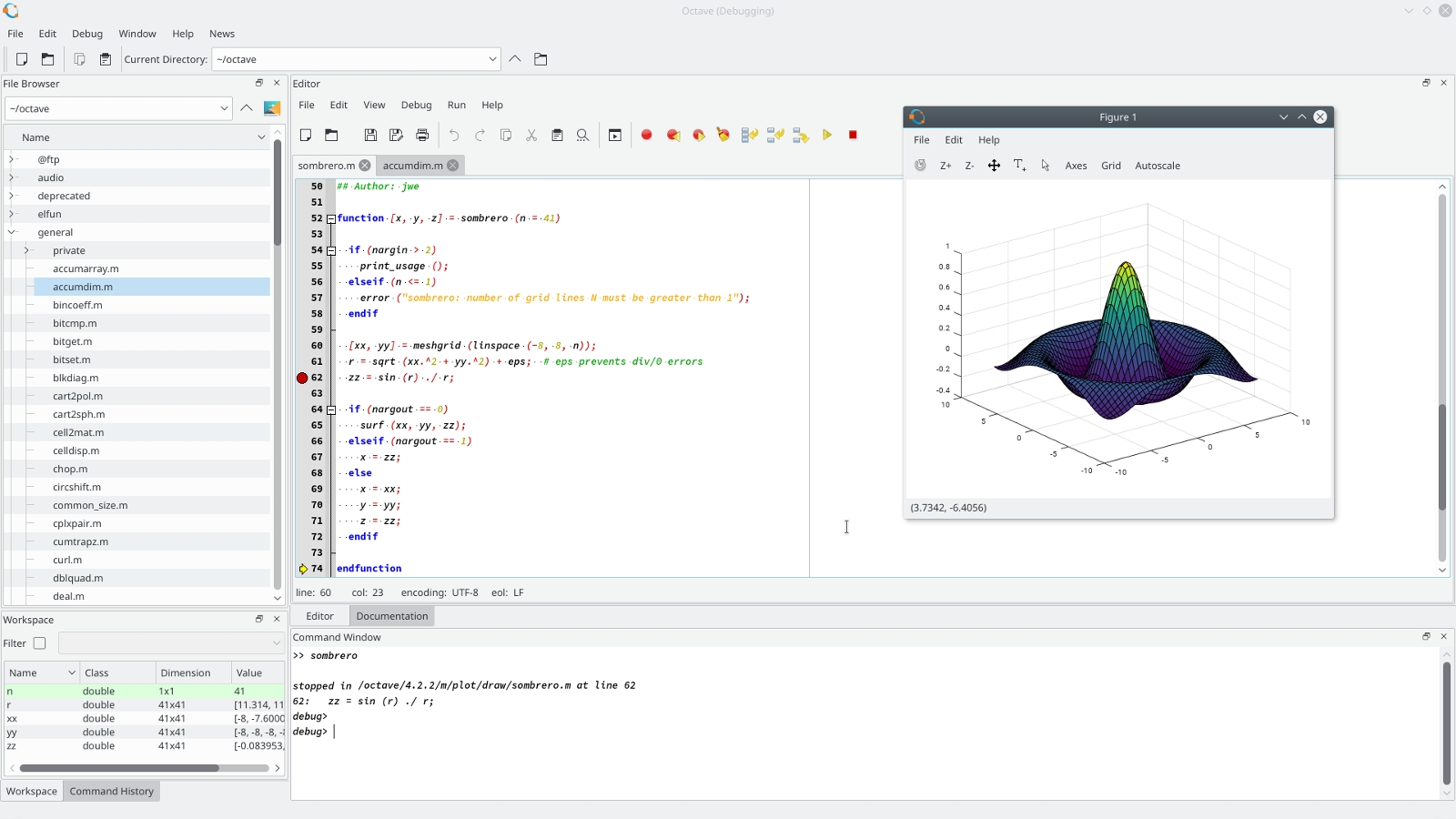
Octave is a numerical computing environment largely compatible with MATLAB. As free software, Octave runs on GNU/Linux, macOS, BSD, and Windows. At the 2019...
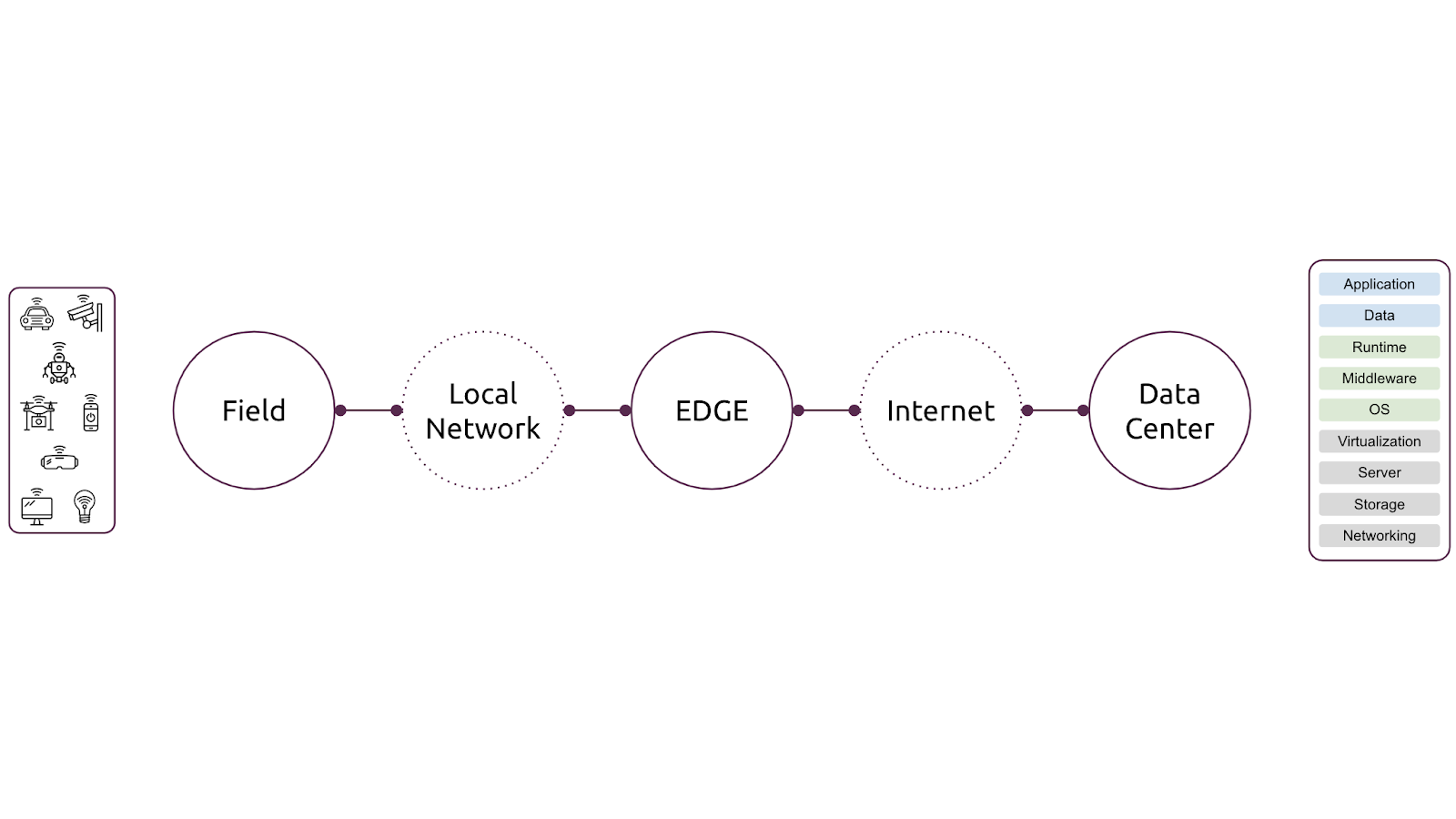
Edge computing continues to gain momentum to help solve unique challenges across telco, media, transportation, logistics, agricultural and other market...

Canonical is happy to announce the availability of MAAS 2.6. This new release introduces a range of very exciting features and several improvements that...

Traditional development methods do not scale into the IoT sphere. Strong inter-dependencies and blurred boundaries among components in the edge device stack...

Newsletter signup
This was a fairly busy two weeks for the Web & design team at Canonical. Here are some of the highlights of our completed work.Web squadWeb is the squad that...

This was a fairly busy two weeks for the Web & design team at Canonical. Here are some of the highlights of our completed work. Web squad Web is the squad...

This article is the first in a series of machine learning articles focusing on model serving. I assume you’re reading this article because you’re excited...
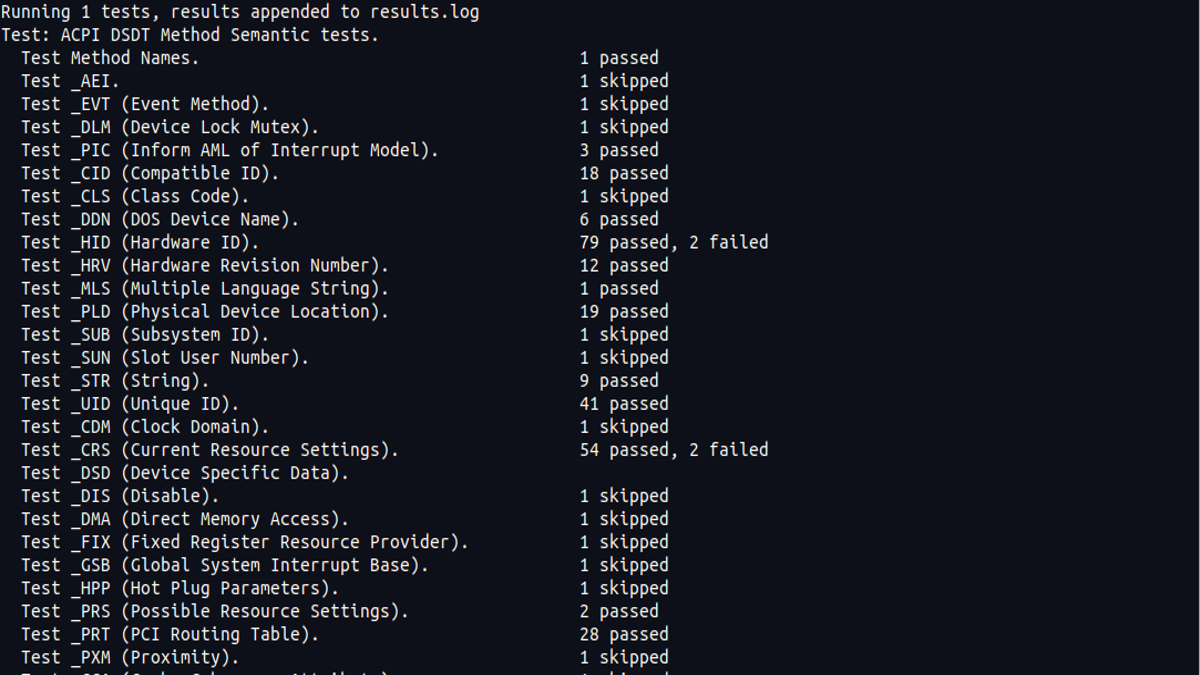
I often need to implement tests for new ACPI tables before they become available on real hardware. Fortunately, FWTS provides a framework to read ACPI tables’...

Issues have been identified in the way the Linux kernel’s TCP implementation processes Selective Acknowledgement (SACK) options and handles low Maximum...

Recently, we published several blog posts, aimed at helping developers enjoy a smoother, faster, more streamlined experience creating snaps. We discussed the...

Private cloud, public cloud, hybrid cloud, multi-cloud… the variety of locations, platforms and physical substrate you can start a cloud instance on is vast....

Over the past several months, we have shared with you several articles and tutorials showing how to accelerate application development so that a typically...
The source
Explore the vision behind the code
Curious about where the industry is heading? Visit our sister blog, The Source, where we share Canonical's perspective on the future of open source, insights into our product philosophies, and expert takes on the tech landscape.